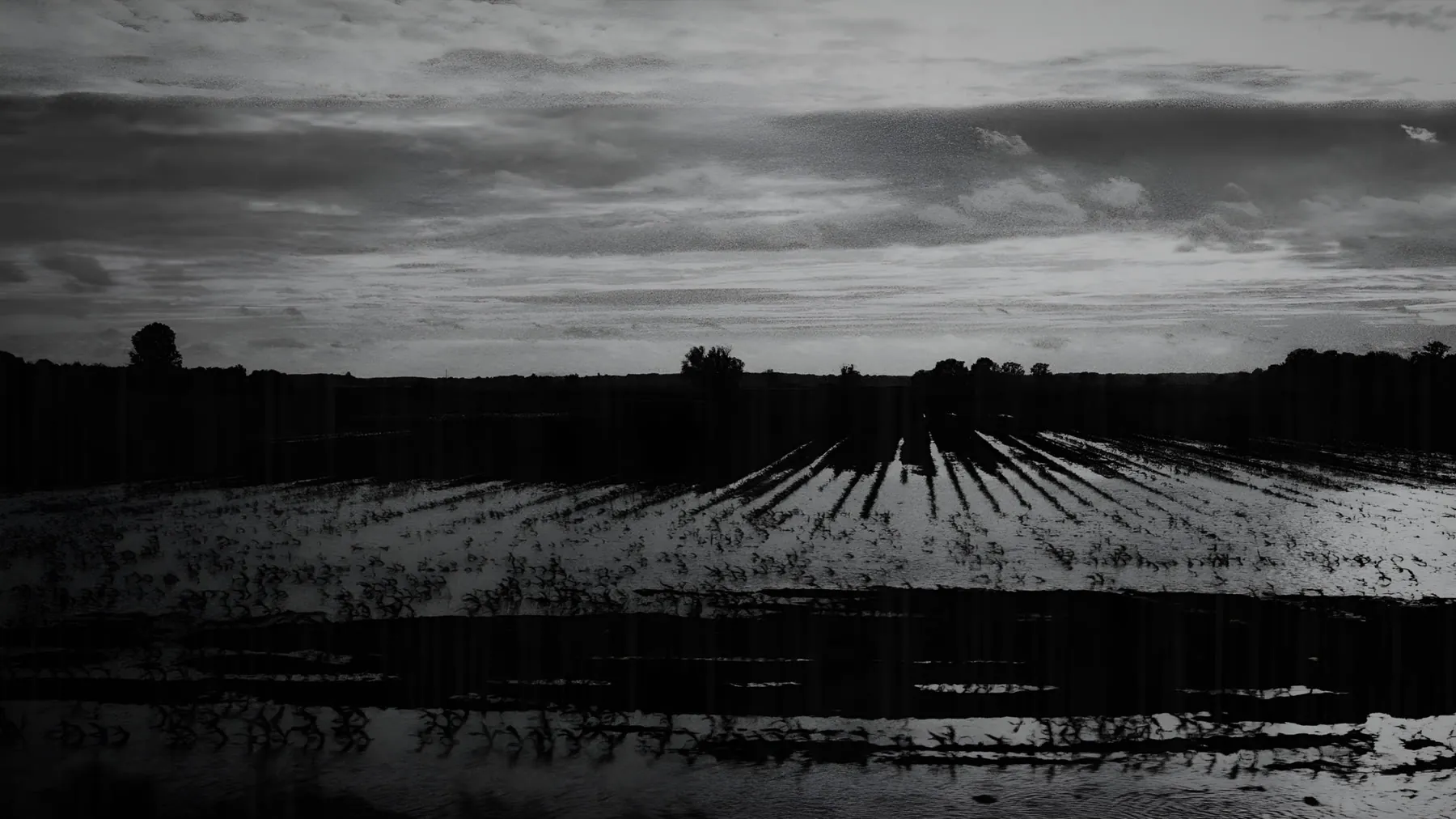
URN - Five Studies of Disappearance
a hír, hogy jönnek
Just before disappearance
On October 26, 2026, my album URN was released through LOUDsilence.
The record consists of five compositions, lasting a total of 41 minutes and 42 seconds.
- XII
- V
- URN
- I
- ם
I won't go into the exact significance behind the five compositions of URN. But their titles, order and durations may not be entirely coincidental, and I wanted to share this, leaving something to ponder. A music video will appear in its own time as well.
Perhaps a thing remains undiscovered in them.
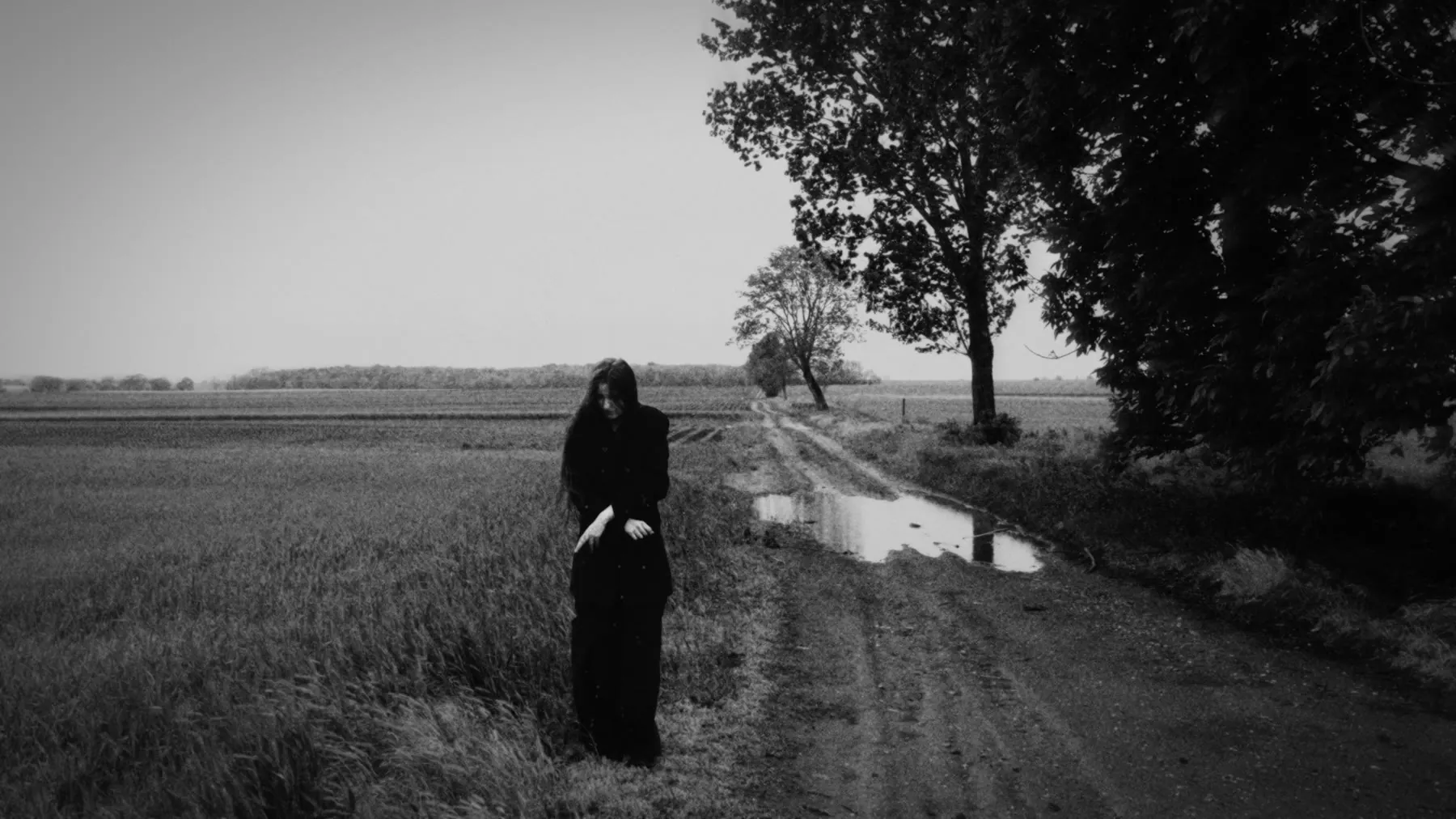
Disappearance
URN was conceived in connection with Béla Tarr's Sátántangó and became a tribute following his death in 2026.
Sátántangó is divided into 12 parts, arranged in a circular structure: 6 steps forward and 6 steps back, like the tango itself. What emerges is a seemingly endless cycle of hopelessness, where the possibility of change repeatedly leads back to the same point.
Rather than attempting to reproduce the film's narrative, I wanted to explore some of the ideas and images that stayed with me while I was watching and reflecting on it.
Sátántangó was watched. The villagers disappeared. Béla Tarr died. And yet something remained. But what exactly, and in what form? Why does something still remain?
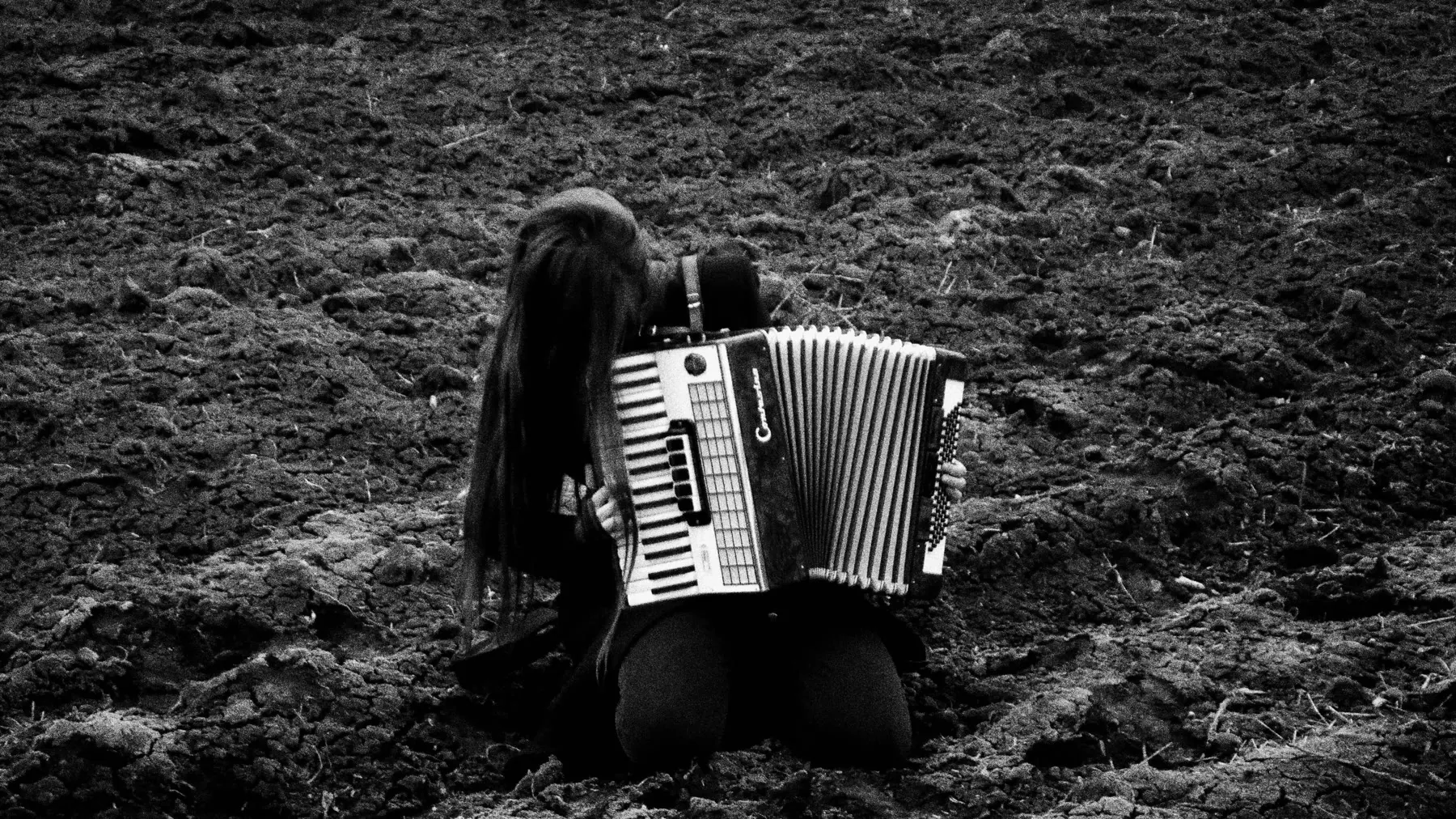
After disappearance
Although Béla Tarr was a filmmaker, he originally wanted to become a philosopher. Ironically, he strongly rejected symbolic and allegorical interpretations of his films. For him, what appeared on screen was simply reality, not something that needed to be given additional meaning.
Sátántangó was adapted from the novel of the same name by 2025 Nobel Prize laureate László Krasznahorkai.
I encourage you to explore both the film and the novel and draw your own conclusions.
Whether my music can exist, at least to some extent, is something I would rather leave for you to decide.
And so, what remains?
Mud. Mud, and nothing but mud.